
You’re Not Weak for Still Grieving: What Child Loss Really Looks Like

If you’re still grieving the loss of a child—months or even years later—you may have wondered, “Why does this still hurt so much?”
At Healing Hope Ministries, we want to say this clearly: you are not weak for still grieving. What you’re experiencing is not failure—it’s love that continues.
We serve parents, siblings, grandparents, and support networks across South Dakota and beyond, and we’ve seen firsthand that grief after child loss doesn’t follow a timeline. It doesn’t resolve neatly. And it doesn’t disappear.
Instead, it becomes part of your story. And learning to carry that story with support, faith, and compassion is what healing really looks like.
The Myth of “Moving On”
One of the most harmful expectations grieving families face is the idea that they should eventually “move on.”
People may not say it directly, but it often shows up in subtle ways:
- “You seem stronger now.”
- “At least you’re doing better.”
- “Time heals all wounds.”
While often well-intended, these phrases can make grieving parents feel like they’re supposed to reach a point where the pain is gone.
But the truth is this: you don’t move on from losing a child—you learn to move forward with their memory and your grief.
What Child Loss Grief Really Looks Like
Grief after losing a child is not a straight line. It’s not predictable or tidy. It’s layered, ongoing, and deeply personal.
Here are a few ways it often shows up:
1. Grief Comes in Waves
Some days may feel manageable, even peaceful. Other days, grief can return with the same intensity as the beginning.
A memory, a smell, a song, or a date can trigger a wave of emotion without warning. This doesn’t mean you’re “back at square one.” It means your love is still present.
2. You Can Feel Multiple Emotions at Once
You might experience joy and sorrow in the same moment. You might laugh and then feel guilty for it. You might feel peace one day and anger the next.
All of this is normal. Grief is complex because love is complex.
3. The World Moves On—But You Don’t
One of the hardest parts of child loss is watching life continue for everyone else. People go back to routines, conversations shift, and the world seems unchanged—while yours feels completely different.
This can create a deep sense of isolation.
4. Milestones and “Ordinary Days” Hurt
Birthdays, holidays, and anniversaries are expected to be difficult. But often, it’s the ordinary days that catch families off guard—the quiet moments when absence feels loudest.
5. Grief Changes Over Time
It may not always feel as sharp as it once did, but it often becomes deeper, more integrated into daily life. The pain may soften, but the love—and the longing—remain.
Why You’re Not Weak
Grieving a child takes immense strength. Even getting out of bed, engaging with others, or facing another day can require courage.
You are not weak because:
- You still feel the loss
- You still think about your child every day
- You still cry
- You still struggle on certain days
These are not signs of failure—they are signs of love that has not diminished.
At Healing Hope Ministries, we often say: grief is the evidence of a life that mattered deeply.
The Unique Weight of Child Loss
Child loss grief is different from other types of grief in profound ways.
- It disrupts the natural order of life
- It reshapes identity (Who am I as a parent now?)
- It often brings questions of faith and meaning
- It can carry feelings of guilt or “what ifs”
Parents may feel they’ve lost part of themselves. Siblings may feel overlooked or confused. Grandparents may grieve quietly while supporting others.
This is why child loss requires a different kind of support—one that acknowledges its depth and lifelong impact.
What Helps in the Grieving Process
While grief doesn’t go away, there are ways to carry it with more support and less isolation.
1. Being Seen and Heard
Sharing your story with people who understand can be incredibly healing. You don’t have to explain everything—you can simply be known.
2. Letting Go of Timelines
There is no schedule for grief. Giving yourself permission to grieve at your own pace can relieve unnecessary pressure.
3. Remembering Your Child
Talking about your child, saying their name, and honoring their life keeps their memory present in a meaningful way.
4. Staying Connected
Even when it’s hard, connection matters. Isolation can deepen grief, while community can help carry it.
5. Leaning Into Faith
Faith doesn’t remove grief, but it can provide hope, perspective, and a sense of God’s presence in the pain.
How Healing Hope Ministries Walks With You
At Healing Hope Ministries, we don’t expect you to “move on.” We meet you right where you are—whether your loss is recent or years behind you—and walk alongside you.
Here are some of the ways we support grieving families:
Grief Support Groups
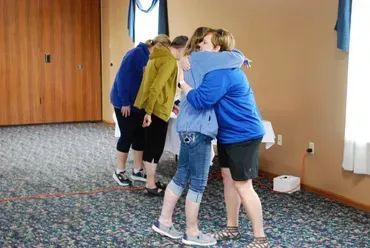
Our monthly groups provide a safe, compassionate space where you can share openly or simply listen. Many families find comfort in realizing they are not alone.
Child Loss Grief Retreats
Our retreats offer a peaceful setting for deeper healing, reflection, and connection. These experiences allow families to step away from daily life and focus on their grief journey.
Memorial Events
Events like our Walk to Remember and A Night of Hope create opportunities to honor your child’s life in community with others who understand.
Resources and Education
We provide tools and guidance not only for grieving families but also for their support networks—helping others know how to walk alongside you.
A Word to Support Networks
If you are supporting someone who has lost a child, one of the most important things you can do is remove the expectation of “moving on.”
Instead:
- Continue to acknowledge their child
- Be patient with their grief
- Show up consistently, even long after the loss
- Listen more than you speak
Your presence can be a powerful reminder that they are not alone.
Conclusion
If you’re still grieving, it doesn’t mean you’re stuck—it means you’re human. It means you loved deeply. And it means that love is still present in your life today.
At Healing Hope Ministries, we believe that grief and hope can coexist. You can carry sorrow and still experience moments of peace. You can remember your child and continue moving forward—one step at a time.
You are not weak. You are walking through one of the hardest journeys a person can face. And you don’t have to walk it alone.
We invite you to connect with Healing Hope Ministries to learn more about our grief support groups, retreats, and resources. Together, we can walk this path—with compassion, faith, and hope.